From Olga Oikonomou
Most people now recognize that emotional difficulties often start during adolescence, but very few understand the key factors behind this situation.
A modern lifestyle often demands that adolescents are overwhelmed with expectations that are believed to lead to future success, such as posting attractive content on social media, gaining followers, and maintaining online popularity. At the same time, they feel responsible for their school performance and grades, while several additional pressures can contribute to feelings of dissatisfaction and emotional strain. But what are these contributing factors? And what kinds of emotions can they generate?
Τhe Definition of Mental Health
Mental health is defined by the World Health Organization, as a state in which individuals are aware of their behavior and their skills, they can recognize and address personal challenges, they can work productively towards their goals, they can participate and interact with their community. Mental Health plays a crucial role in any age group of people, and it can affect someone’s way of acting, emotions, and his way of thinking. Furthermore, mental health can be affected by biological (genetic predisposition), social (single parent family) and psychological (anxiety related to financial stability) factors (NLP Greece, 2025 It is important to mention here, that some of the most common mental disorders among young people, include anxiety, depression, post-traumatic stress disorder (PTSD) and eating disorders (NPL Greece, 2025). Theis also important to note that official World Mental Health Day is observed annually on the 10 of October (Ψαρρά, 2020).
Factors influencing Adolescent Mental Health
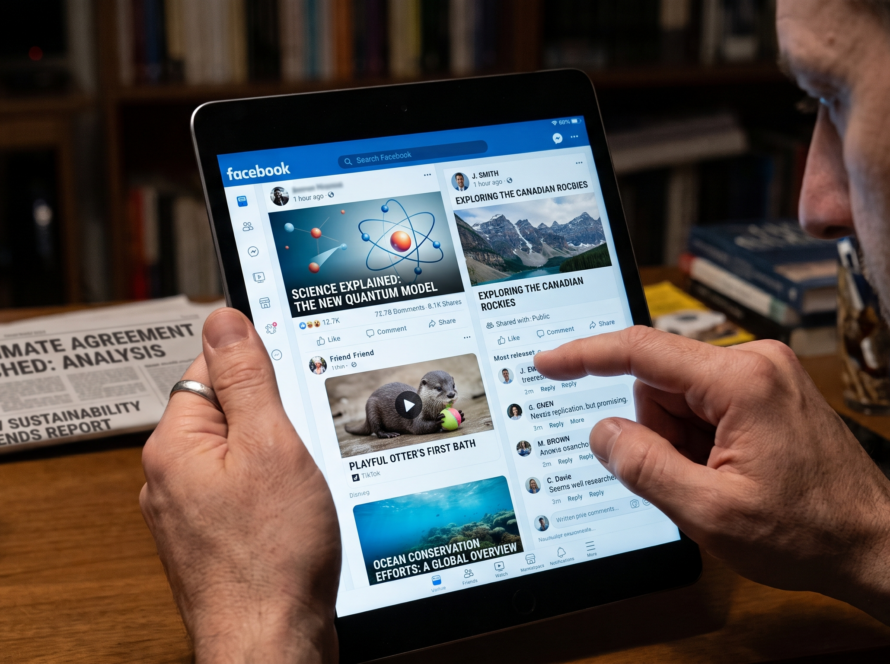
It is commonly assumed that adolescence is one of the most important developmental periods in a person’s life. These years play a significant role in shaping an individual’s future adult functioning, influencing emotional development, identity formation, and overall well-being. For instance, during adolescence, girls typically experience the onset of puberty, while boys may notice changes such as a deepening of the voice. In parallel, with these developmental changes, some adolescents are forced to cope with harmful family environments (such as frequent parental conflict) or stressful school conditions themselves (such as bullying related to appearance), both of which can negatively affect negatively their mental health (WHO,2025). Furthermore, when negative attitudes, such as bullying, become a daily experience, this can easily lead to discrimination by peers. As a result, some adolescents begin to engage more intensely with digital technologies, creating their first social media profile, which may eventually lead to an uncontrolled pattern of use (Χολέβα,2025). In such cases, an adolescent or young university student who feels isolated may upload revealing photos on their profile to gain popularity. They may begin accepting friend requests from strangers and sharing personal information such as mobile phone numbers, to establish new friendships, believing that this is an appropriate way to connect with others (Stoilova, M., et al, 2021). However, the use of social media has already led many adolescents to fall victim to online blackmail, which in turn intensifies negative emotions, such as isolation, desperation, and mental exhaustion (Χολέβα, 2025).
Another situation in which an adolescent may feel isolated is the experience of loneliness and the lack of family or school understanding. When these feelings persist and become difficult to tolerate, the adolescent may seek substitutes to improve their mood, such as experimenting with substances like drugs or alcohol (WHO, 2025).
Factors influencing Young Adults Mental Health
After analyzing the factors that contribute to depression in adolescents, it is essential to explore the corresponding influences affecting young adults. It is widely accepted that when young adults become university students, then all their entire world may change. They must adjust their actions, so to meet the new requirements of their life. First, they may face the dilemma of choosing an apartment to choose, one close to their university but more expensive? Or a cheaper one, that may require higher daily transportation costs? Another factor which may stress them is daily tasks like cooking. There are many students who do not even know how to cook, and they must learn this from scratch, they may try this, sometimes unsuccessfully leading to feelings of insecurity about how many attempts they will need to make. Another reason which may bring anxiety to them is the fact of managing finances for the first time in their lives and how to be able to pay their bills without to be isolated. For that reason, some students decide to begin to work part-time alongside their studies, which may lead them to reduce time and energy for attending lectures, to be responsible for their homework and to maintain their good academic performance. Finally, it is important to be said that some students, who are newcomers in a city may face the difficulty to make new social connections, they find it hard to be done because they feel to be open and exposed so there is a chance, they later to become introverts and experience loneliness, so they may rely on social media connections instead of in- person connections (Μαλαματά, 2026).
Strategies for Managing Mental Health Challenges
Although there are many risks and obstacles of today’s world, there are so many more solutions which may help young people to overcome them. For instance, on a worldwide scale, the World Health Organization, in collaboration with UNICEF, have launched the Helping Adolescents Thrive (HAT) initiative, which is a crucial tool for the prevention of mental health conditions; specifically, it prevents self-harm actions and harmful use of alcohol and drugs (WHO,2025). In addition, the WHO has created a mental health training package, which is helpful for schools and educators and gives them more information on how they can help their students to be more optimistic and extroverted (WHO,2025). Moreover, there is research conducted by Wang et al. in 2025, which makes a reference to psychological resilience. It explains that a human can deal with anxiety and depression if he has strong psychological resilience. According to this, psychological resilience is strongly connected with parental approval. If parents welcome their child’s behavior, they create in him self-esteem and gain psychological resilience. Parents who strive to help their children should set high but realistic expectations for them and boost their children’s participation when they must decide about something or when they participate in fun activities with their friends and classmates (Παλλίδου, n.d).
All these individual and family-based approaches highlight the need for broader actions at a societal and policy level.
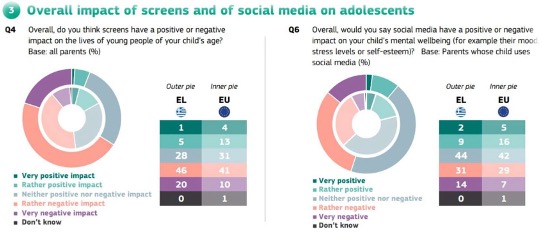
Finally, on 23 November 2023, all the country members of the EU gathered the results of young people and their mental health during a council. These EU members decided that it is crucial for young people that their life and working conditions be improved by acting. They agreed that access to mental health services should be more accessible, they realized that stigma should be eliminated, and violence and hate in the digital world should be addressed as well. They found it useful to have an exchange of effective actions against mental health disorders between them, they highlighted how important the prevention of mental health disorders is, and they gave attention to how people can reintegrate into the community after their mental health treatment (Ευρωπαϊκό Συμβούλιο και Συμβούλιο της Ευρωπαϊκής Ένωσης, 2025).
If you need support for mental health and you are a resident of Greece, you can seek help at these telephone helplines and support centers.
Model Community Center for Youth Mental Health, which is part of the first Psychiatric Clinic of the National and Kapodistrian University of Athens, telephone numbers for booking an appointment or for get information are: 2107462290 and 2107462281 (Monday–Friday, 09:00–21:00), or you can send email to: kaan@eginitio.uoa.gr.
Official website:
https://en.nurs.uoa.gr/department_of_nursing/clinics_per_department/psychiatric_health_and_behavioral_sciences/psychiatric_clinicSociety of Social Psychiatry P. Sakellaropoulos – Mobile Mental Health Unit for Children & Adolescents (Piraeus & Islands) for appointments for mental health disorders you can contact the dedicated phone line: 2104960641 and you can e-mail to: kinitimonada.peiraia@ekpse.gr.
Official website: https://ekpse.gr/Keratsini–Drapetsona Mental Health Center: for appointments for mental health disorders, you can contact the dedicated phone lines: 2104006860, 2104007672, 2104006658 & 2104009093, and you can send e-mail to: merimna@keratsini.gr. Official website: https://keratsini-drapetsona.gr/index.php/services-keratsini-drapetsona/social-care/psychosocial-service
Hellenic Center for Mental Health & Research (E.KE.Ψ.Y.E.) – Piraeus Mental Health Unit: for appointments for mental health disorders in children and adolescents you can contact the dedicated phone lines: 210 4170500 & 210 4118748 and you can send e-mail to: pedionefivon_pirea@ekepsye.gr , while for adults you can call at: 210 4170546 & 210 4118733 and send e-mail to: enilikon_pirea@ekepsye.gr. Official website: https://ekepsye.gr/
Community Center of the Municipality of Perama, for appointments for mental health disorders you can contact the dedicated phone line: 2132037277 and you can send e-mail to: info@perama.gr. Official website: https://perama.gr/%CE%BA%CE%BF%CE%B9%CE%BD%CF%89%CE%BD%CE%B9%CE%BA%CE%AE-%CF%80%CF%81%CF%8C%CE%BD%CE%BF%CE%B9%CE%B1/ (Παλλίδου, n.d.)
You can also seek mental-health support through the following helplines:
- 10306 – National Mental Health Support Line. Official website: https://10306.gr/
- SOS 1056 – “The Smile of the Child”. Official website: https://www.hamogelo.gr/gr/en/sos-1056/
- “Mila Mou” – Online Psychological Support. Official website: https://www.milamou.gr/
BIBLIOGRAPHY
- Mart Production (2021) Mental health concept image [Photograph.:https://tinyurl.com/2jzb3929
- gr (n.d.) Τι είναι το milamou.gr. Milamou.gr – Official Website: https://tinyurl.com/yc6ur8wb
- NLP Greece (2023) Τι είναι η Ψυχική Υγεία και Πώς να τη Προστατέψετε. NLP Greece – Official Website: https://tinyurl.com/3nrxwpsx
- O’Donnell, E. (2021) Mental health concept image [Photograph]. Pexels.:https://tinyurl.com/mheksb29
- Society of Social Psychiatry P. Sakellaropoulos (n.d.) Mental health services in the Society of Social Psychiatry – Official Website: https://tinyurl.com/9z3khc3n
- Stoilova, , Livingstone, S. and Khazbak, R. (2021) Investigating Risks and Opportunities forChildren in a Digital World… UNICEF Office of Research – Innocenti: https://tinyurl.com/nxwdew39
- UNICEF (2025) Ξεκίνησε το πρώτο πρόγραμμα στην Ελλάδα για την αντιμετώπιση του αυτοτραυματισμού στους νέους. UNICEF Greece – Official: https://tinyurl.com/fcu3vh43
- Wang, H., Wang, M., Wang, X., Feng, T., Liu, X. and Xiao, W. (2025) ‘Complex associations between anxiety, depression, and resilience…’, Frontiers in Psychiatry, 16. Frontiers Media: https://doi.org/10.3389/fpsyt.2025.1502252
- World Health Organization (2025) Mental health of WHO – Official Website: https://tinyurl.com/mr242p75
- 10306 (n.d.) Γραμμή Ψυχοκοινωνικής Υποστήριξης Υπουργείο Υγείας – Official Website: https://tinyurl.com/24dyh3wf
- Γκαβέας, Δ. (2026) Ευρωβαρόμετρο: Δοκιμάζεται η ψυχική υγεία των εφήβων από οθόνες καιsocial media – Τι φοβούνται περισσότερο οι Έλληνες γονείς. HuffPost Greece: https://tinyurl.com/ytw35my6
- Δήμος Κερατσινίου–Δραπετσώνας (n.d.) Ψυχοκοινωνική υπηρεσία. Δήμος Κερατσινίου–Δραπετσώνας – Official Website: https://tinyurl.com/3c77aj3s
- Δήμος Περάματος (n.d.) Κοινωνική Πρόνοια. Δήμος Περάματος – Official:https://tinyurl.com/34nm5juz
- Εθνικό και Καποδιστριακό Πανεπιστήμιο Αθηνών (n.d.) Ψυχιατρική κλινική. ΕΚΠΑ – ΙατρικήΣχολή: https://tinyurl.com/kbp9s259
- Ελληνικό Κέντρο Ψυχικής Υγιεινής και Ερευνών (Ε.ΚΕ.Ψ.Υ.Ε.) (n.d.) Ελληνικό Κέντρο Ψυχικής Υγιεινής και Ερευνών. ΕΚΕΨΥΕ – Official Website: https://tinyurl.com/3nbrntr9
- Ευρωπαϊκό Συμβούλιο και Συμβούλιο της Ευρωπαϊκής Ένωσης (2025) Ψυχική Υγεία. EuropeanUnion – Official: https://tinyurl.com/2e4smtsz
- Μαλαματά, Τ. (2026) Η ψυχική ανθεκτικότητα των προπτυχιακών φοιτητών κατά τη διάρκεια των σπουδών τους: Έρευνα. Δημοκρίτειο Πανεπιστήμιο Θράκης: https://tinyurl.com/za7ppdns
- Παλλίδου, Α. (n.d.) Ψυχική Υγεία και εφηβεία. Πανελλήνιο Σχολικό Δίκτυο. Available at: https://tinyurl.com/5bytptye
- Το Χαμόγελο του Παιδιού (n.d.) Εθνική Γραμμή για τα Παιδιά SOS 1056. Το Χαμόγελο τουΠαιδιού – Official Website. https://tinyurl.com/4nta3mww
- Χολέβα, Κ. (2025) Ψυχική Υγεία Εφήβων. gr: https://tinyurl.com/mrx7zn6v
- Ψαρρά, Ε. (2020) Παγκόσμια Ημέρα Ψυχικής Υγείας. Απλές συμβουλές για να νιώσετε καλύτερα.Ygeia Available at: https://tinyurl.com/3kb8nz52